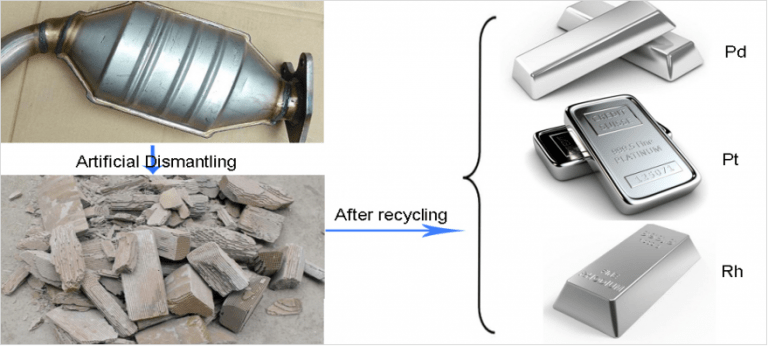
Automotive catalyst recycling involves recovering precious metals like platinum, palladium, and rhodium from used emission control devices. These metals serve as catalysts in vehicle exhaust systems, reducing harmful emissions. Given their rarity and value, recycling is both economically and environmentally…
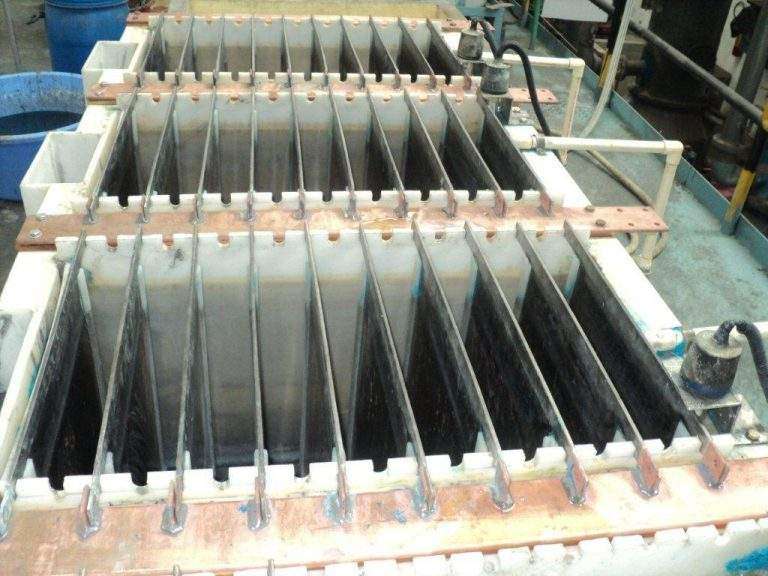
Potential difference in tellurium electrolysis Potential difference refers to the voltage difference between the electrodes during electrolysis. Controlling the potential difference is crucial for the quality of tellurium deposition. Below are some key electrode potential data relevant to tellurium electrolysis:…
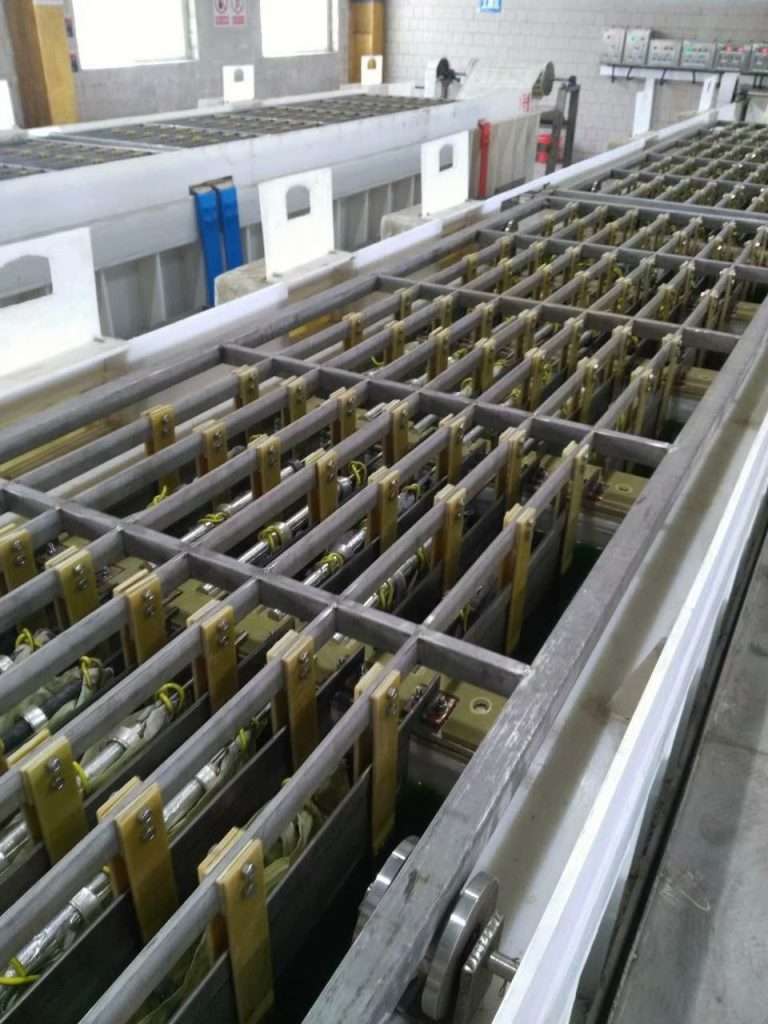
Principles: Electrodeposition: Metal ions in the solution are reduced and deposited at the cathode through electrolysis. Hydrometallurgy: Chemical methods are used to extract metals from ores or slag, including ore crushing and grinding, leaching, extraction and separation, purification, crystallization and…
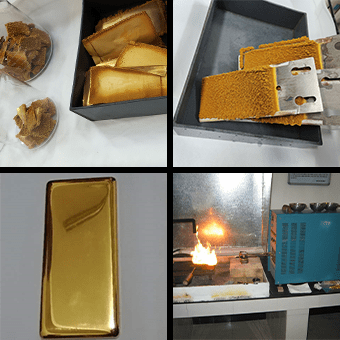
Gold Content in E-Waste E-waste contains small but significant quantities of gold. For instance, one ton of mobile phone circuit boards can yield approximately 300-350 grams of gold, far exceeding the gold content in traditional mining, which is about 1-2…
Silver oxide ore is an important silver resource, with silver mainly existing in the form of oxides. Understanding the characteristics, distribution, and extraction processes of silver oxide ore is crucial for the development and utilization of mineral resources. Characteristics of…
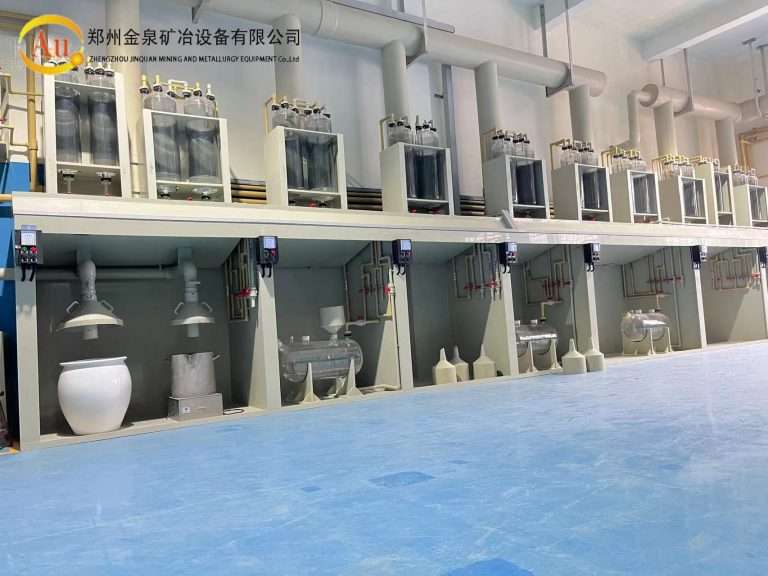
Efficiently recover precious metals such as platinum, palladium, and rhodium from spent catalysts 1. Pre-Treatment The first step in recycling spent catalysts is pre-treatment, which includes the collection and classification of the catalysts based on their types, such as automotive…
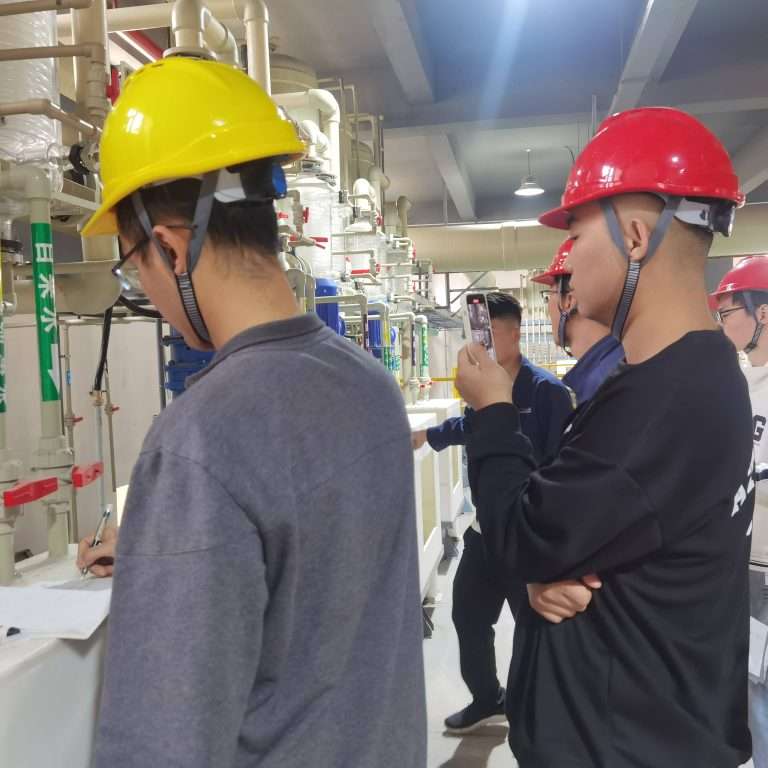
extracting precious metals Resource Utilization: Maximizing the use of rare precious metals reduces the demand for fresh mining resources. Economic Benefits: Generating substantial returns benefits stakeholders across various sectors. Environmental Protection: Decreasing pollution and environmental damage. Cost Reduction: Lowering production…

Advantages of gold smelting in medium frequency furnace: 1. Efficient heating: The medium frequency furnace has a fast heating speed and can quickly melt metal and improve production efficiency. 2. Precise temperature control: The medium frequency furnace can adjust the…
Waste catalyst treatment methods: 1. Recycling: Some spent catalysts also have recoverable value. For example, the precious metals in spent catalysts can be recycled and used to prepare catalysts again. 2. Incineration treatment: Burn the waste catalyst directly and control…
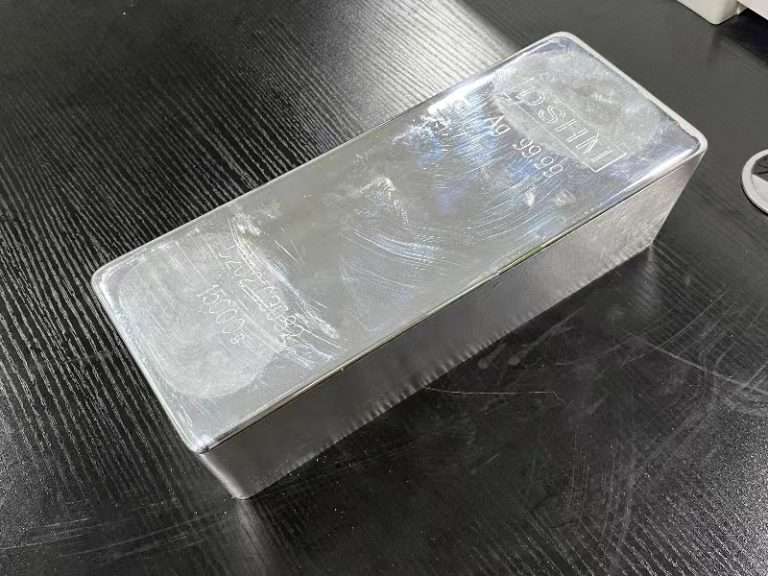
Silver nitrate is a commonly used chemical reagent, often used in the preparation of other silver compounds, as well as as analytical reagents, photographic developers, etc. However, impurities in silver nitrate may affect its application effect, so it is very…
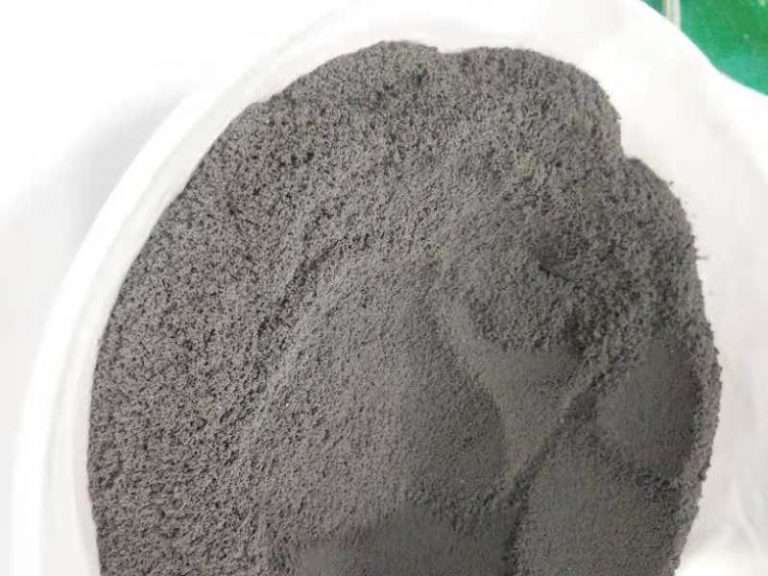
low-grade iron oreLow-grade iron ore is a resource-rich but low-grade ore, and its effective separation is crucial to improving the utilization value of the ore. This article mainly introduces the beneficiation methods and processes of low-grade iron ore, including physical…
A method for extracting lead and silver from zinc oxide leaching residue by wet process. The method includes: using NaCl-CaCl2 solution as the leaching agent, leaching the zinc oxide leaching residue with chloride salt to achieve the separation of silver,…
 Call us now: