Complete Guide to the Gold Refining Process
In the gold recycling, mining, jewelry manufacturing, and precious metal refining industries, one of the most common questions is:
How do you refine crude gold to 99.99% purity?
For gold refineries, mining companies, jewelry factories, and precious metal recycling businesses, producing high-purity gold is essential for meeting international market standards, increasing product value, and improving downstream processing quality.
This article explains the complete process of refining crude gold into 99.99% pure gold, including the most widely used refining methods, equipment systems, industrial applications, and key operational considerations.
What Is Crude Gold?
Crude gold (also called doré gold) refers to unrefined gold alloy that still contains various impurities and other metals, such as:
- Silver (Ag)
- Copper (Cu)
- Platinum (Pt)
- Palladium (Pd)
- Rhodium (Rh)
- Nickel (Ni)
- Iron (Fe)
- Zinc (Zn)
Crude gold commonly comes from:
1. Gold Mining Operations
Gold bars produced after smelting ore concentrates.
2. Jewelry Scrap Recycling
Old jewelry, gold scraps, polishing waste, and manufacturing leftovers.
3. Electronic Waste Recycling
IC chips, circuit boards, connectors, and electronic components containing gold.
4. Precious Metal Plating Waste
Industrial plating solutions and recovery sludge containing gold and other precious metals.
Typical crude gold purity ranges from:
To meet international bullion standards, gold usually needs to be refined to:
Main Methods for Refining Gold to 99.99%
Modern gold refining typically uses one or a combination of the following methods:
- Fire Refining
- Wet Chemical Refining
- Electrolytic Gold Refining
- Miller Chlorination Process
- Aqua Regia Gold Refining
Each method is suitable for different raw materials, impurity levels, and production capacities.
1. Fire Refining (Primary Purification)
How Fire Refining Works
Fire refining removes base metal impurities through high-temperature melting and oxidation.
Typical operating temperature:
Common refining materials include:
- Borax
- Sodium nitrate
- Soda ash
- Silica
Applications of Fire Refining
Suitable for:
- Mining doré bars
- High-copper gold
- Jewelry scrap
- Gold with heavy impurities
Advantages and Limitations
Advantages
- Low operating cost
- High processing capacity
- Mature and widely used technology
Limitations
- Cannot directly achieve 99.99% purity
- Precious metal losses may occur
- Difficult to separate platinum group metals completely
Because of this, fire refining is usually used as a:
Pre-refining stage
before advanced purification.
2. Electrolytic Gold Refining (Core Technology for 99.99% Gold)
Principle of Gold Electrolysis
Electrolytic refining is one of the most widely used industrial methods for producing 99.99% pure gold.
The process works as follows:
- Crude gold is used as the anode
- Stainless steel or titanium plates serve as the cathode
- Chloroauric acid solution acts as the electrolyte
During electrolysis:
- Gold dissolves from the anode
- Pure gold deposits onto the cathode
- Impurities remain in the anode slime
The final product reaches:
Gold Electrolysis Process Step by Step
Step 1: Casting Anode Plates
Crude gold is melted and cast into:
Recommended anode purity:
Step 2: Preparing the Electrolyte
Most systems use:
- Chloroauric acid (HAuCl₄)
Key parameters include:
- Gold ion concentration
- Acidity
- Temperature
- Current density
Step 3: Electrolytic Deposition
Under stable electrical conditions:
gold gradually deposits onto the cathode surface.
The refined gold may appear as:
- Gold sheets
- Gold powder
- Gold crystals
Step 4: Washing and Melting
The cathode gold is:
Then cast into:
- Gold bars
- Gold grains
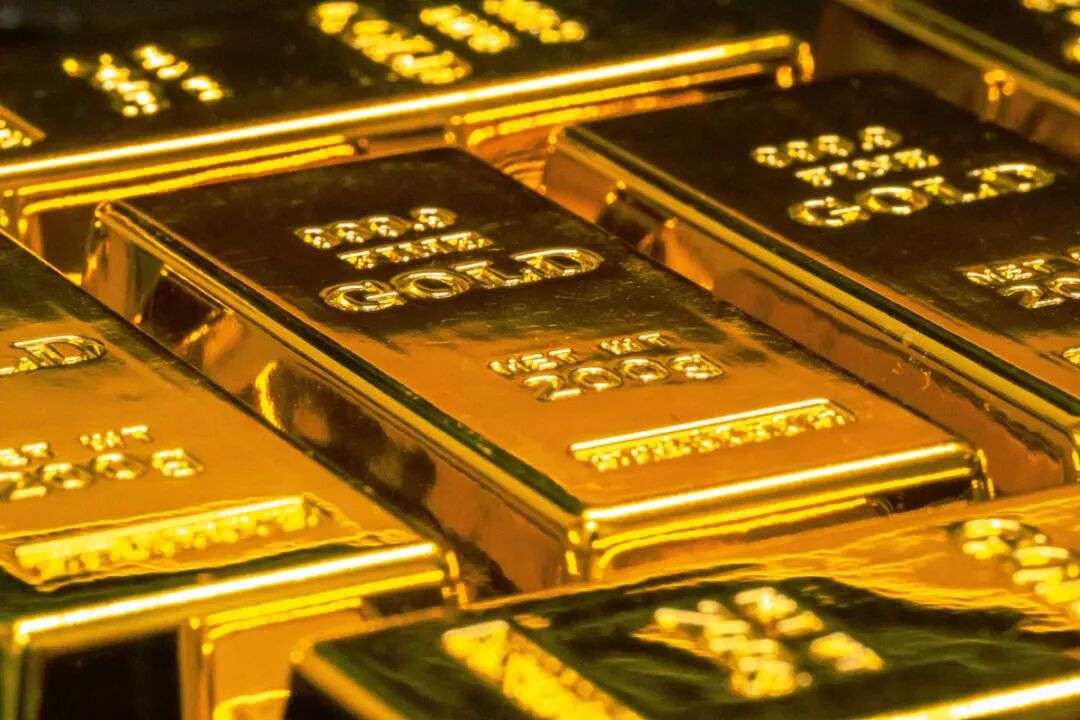
- Investment bullion
Final purity:
3. Aqua Regia Gold Refining
What Is Aqua Regia?
Aqua regia is a mixture of:
- Hydrochloric acid (HCl)
- Nitric acid (HNO₃)
It is one of the few chemical solutions capable of dissolving gold.
Aqua Regia Refining Process
Dissolving the Gold
Crude gold reacts with aqua regia to form:
- Chloroauric acid solution
Filtering Impurities
Undissolved materials and impurities are removed through filtration.
Gold Precipitation
Common reducing agents include:
- Sodium metabisulfite
- Oxalic acid
- Ferrous sulfate
Gold precipitates out of solution as pure gold powder.
Washing and Smelting
After washing and melting, the gold purity can reach:
With secondary refining:
- 99.99% purity is achievable
Advantages and Disadvantages
Advantages
- High purity output
- Suitable for small batches
- Lower equipment investment
Disadvantages
- High acid consumption
- Environmental treatment requirements
- Hazardous waste handling needed
4. Miller Process (Chlorination Refining)
The Miller process is commonly used in large-scale gold refineries.
Working Principle
Chlorine gas is injected into molten gold.
Base metals react with chlorine first and form chlorides, while gold remains in metallic form.
Features
Advantages
- Fast refining speed
- Suitable for large-scale production
Limitations
- Usually reaches about 99.5% purity only
For this reason, many refineries combine:
Miller Process + Electrolytic Refining
to achieve 99.99% purity.
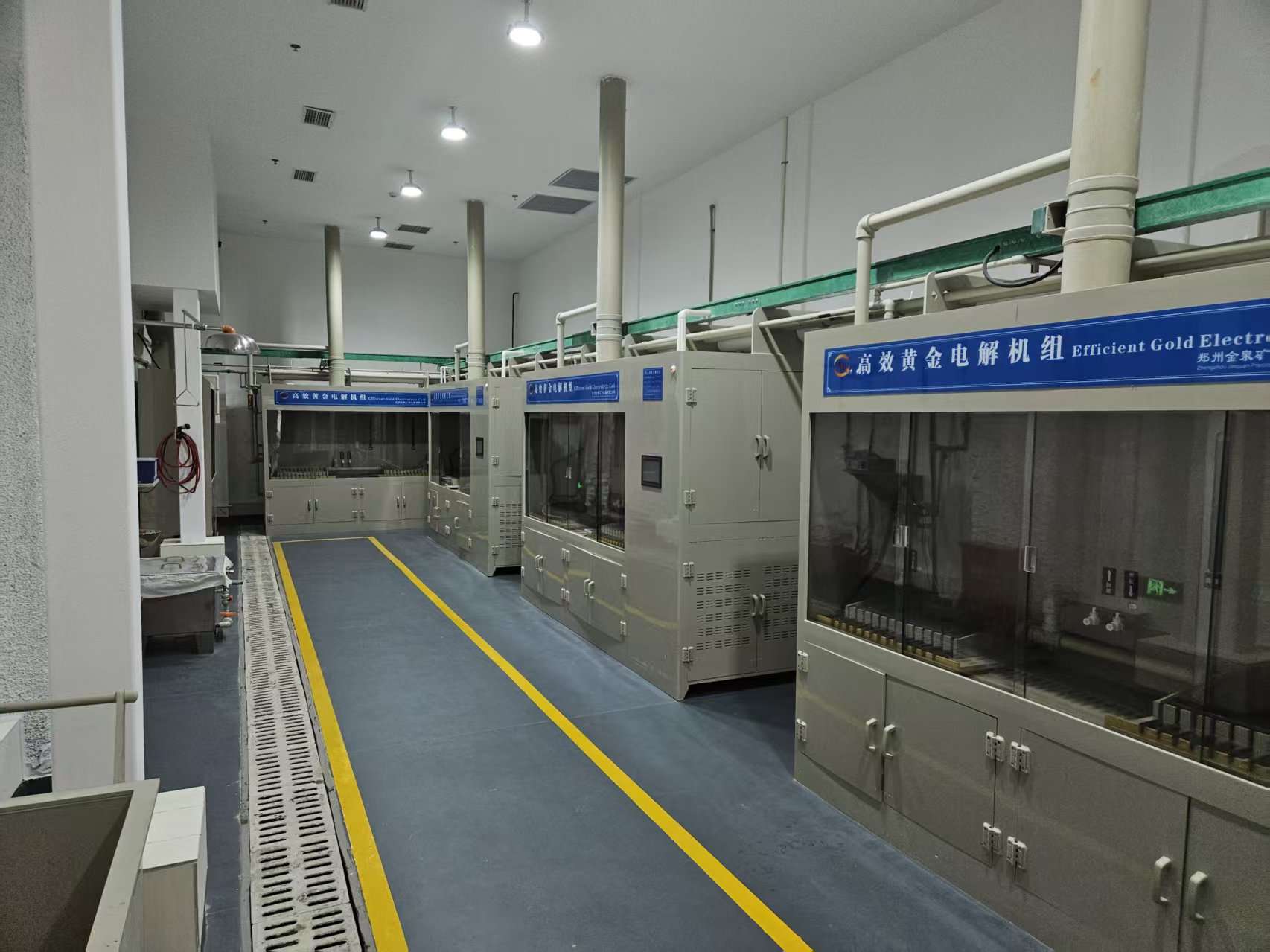
Why Is Electrolytic Equipment Essential for High-Purity Gold?
For companies aiming to produce 99.99% gold consistently, electrolytic refining equipment is considered essential.
1. Stable Purity
Consistently achieves:
- 99.99% gold purity
- International bullion standards
2. Lower Precious Metal Loss
Helps reduce losses of:
- Gold
- Silver
- Platinum group metals
3. Continuous Production Capability
Ideal for:
- Gold refineries
- Precious metal recycling plants
- Jewelry manufacturing factories
4. High Automation Level
Modern gold refining systems often include:
- PLC control systems
- Automatic rectifiers
- Temperature control systems
- Fume treatment systems
This improves both efficiency and operational safety.
Important Considerations in Gold Refining
Raw Material Analysis Is Critical
Before refining, it is recommended to perform:
- XRF analysis
- Spectrometer testing
- Laboratory assays
This helps determine:
- Gold content
- Silver content
- Copper content
- Platinum group metals
Different compositions require different refining solutions.
Anode Purity Matters
Recommended anode purity:
Low-purity anodes may cause:
- Anode passivation
- Reduced electrolysis efficiency
Environmental Protection Requirements
Gold refining may generate:
- Acid fumes
- NOx gases
- Precious metal wastewater
Proper systems are required, including:
- Fume scrubbers
- Wastewater treatment
- Acid recovery systems
Industries That Need 99.99% Gold Refining Equipment
Gold Mining Companies
For refining doré gold into investment-grade bullion.
Jewelry Manufacturers
For producing high-purity gold jewelry.
Precious Metal Recycling Plants
For recovering gold from electronic waste.
Precious Metal Refineries
For industrial-scale high-purity gold production.
Bullion Manufacturers
For investment gold bars and trading gold.
Future Trends in Gold Refining
Modern gold refining technology is moving toward:
- Automation
- Intelligent control systems
- Energy efficiency
- Environmentally friendly processing
Emerging trends include:
- Automatic electrolysis systems
- Cyanide-free refining technologies
- Low-emission refining systems
Conclusion
Refining crude gold to 99.99% purity is not simply a chemical process — it is a complete precious metal refining system.
Today, the most reliable industrial solution is usually:
Fire Refining + Electrolytic Gold Refining
This combination provides:
- High purity
- Stable quality
- Low precious metal loss
- Efficient large-scale production
For businesses involved in gold recovery and precious metal refining, choosing the right refining process and equipment directly impacts:
- Gold recovery rate
- Operating cost
- Final purity
- Business profitability
 Call us now: