Gold Extraction Process from Computer Motherboards | Zhengzhou Jinquan Mining Equipment Co., Ltd.
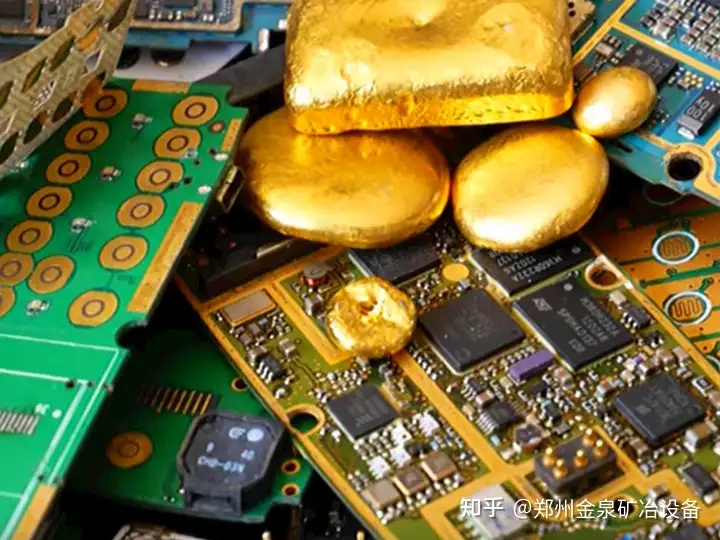
Global electronic waste is growing rapidly. Recycling precious metals from computer motherboards is now both economically viable and environmentally friendly. Computer motherboards contain various precious metals, including gold, silver, and palladium. The northbridge and southbridge chips have the highest gold content. Zhengzhou Jinquan Mining Equipment Co., Ltd. — a professional mineral processing and precious metal recycling equipment manufacturer — summarizes a high-efficiency gold extraction process below. This process helps boost gold recovery rates and recycling efficiency.
1. Disassembly and Classification of Computer Motherboards
First, disassemble and classify the computer motherboards. The northbridge and southbridge chips have the highest gold content. Separate them for independent gold extraction to maximize recovery. This step is key to improving precious metal recycling efficiency. The northbridge — also called the host bridge or memory controller hub — is a core motherboard chip. Its gold content far exceeds other components.
Bake the northbridge and southbridge chips at high temperature until they turn white. Let them cool, then separate their lower circuit boards from the upper resin covers. Collect the resin covers carefully. Avoid introducing impurities like solder from the lower circuit boards — these impurities harm subsequent gold extraction results and purity.
2. Pretreatment of Gold-Bearing Resin Covers
Grind the baked resin covers into fine powder. Put the powder into a glass container. Wash it with water to remove most ash and impurities. Gold’s high density keeps it in the residue. This simple water-washing step reduces the difficulty of subsequent chemical treatment.
Add an appropriate amount of 30% nitric acid to the washed gold-bearing residue. React it at about 80℃ for 1 hour. Ensure all metals except gold dissolve completely. Pour off the waste acid and rinse the residue with water until it reaches neutrality (pH 7). This step is crucial. It removes base metals like copper, zinc, and iron, laying the groundwork for gold dissolution.
3. Gold Dissolution with Aqua Regia
Add a small amount of aqua regia (1 part nitric acid, 3 parts hydrochloric acid) based on the residue’s gold content. Heat it and keep it slightly boiling. Aqua regia is a strong oxidizing solution. It dissolves gold effectively — gold does not dissolve in single acids. Once gold dissolves completely, filter out the aqua regia. Wash the gold-bearing residue and combine the washing water with the aqua regia solution.
Concentrate and remove nitric acid from the combined solution over low heat. When the solution shrinks, thickens, and has few bubbles, add a small amount of concentrated hydrochloric acid. Repeat this several times. Stop heating when bubbles change from brownish yellow to colorless. This means nitric acid is fully removed, preventing interference with the gold reduction reaction.
Add an appropriate amount of water to the solution. Add more water if the gold content is high. Adjust the solution to a pale yellow — this is optimal for the next reduction step.
4. Gold Reduction, Purification and Ingoting
Filter the solution and heat it to about 80℃ for later use. Prepare a saturated sodium sulfite or ferrous sulfate solution. Heat it slightly and slowly add it to the aqua regia while stirring continuously. Dark red gold powder will form gradually. Stop adding the reducing agent when no more dark red substances appear. This means all gold ions in the solution have been reduced.
Let the solution stand until it clears completely. Then filter out the gold powder or sponge gold. Wash the gold powder repeatedly with water until no chloride ions remain (test with silver nitrate solution). To further purify the gold powder, add 25% nitric acid and boil it several times. Stop when the gold powder turns bright yellow — this means all impurities are removed.
Finally, melt the purified gold powder at high temperature to form gold ingots. This process is scientific and efficient. It ensures high gold recovery and purity, making it suitable for industrial-scale precious metal recycling.
About Zhengzhou Jinquan Mining Equipment Co., Ltd.
Zhengzhou Jinquan Mining Equipment Co., Ltd. provides professional solutions for precious metal recycling and mineral processing. We have rich experience and advanced technology. We offer high-quality equipment and technical guidance for electronic waste recycling. This helps customers improve recycling efficiency and economic benefits. Contact us for more information on precious metal extraction technology or related equipment.
 Call us now: