Efficient Gold Platinum Rhodium Iridium Separation Process | Cementation vs Solvent Extraction Technology
Precious Metal Separation: Cementation Replacement and Advanced Solvent Extraction for Full-Value PM Recovery
Precious metal separation sits at the heart of modern mineral processing and precious metal recycling lines. Operators need clean separation of gold, platinum, palladium, rhodium, and iridium to boost yield, cut costs, and raise raw material utilization. Zhengzhou Jinquan Mining Equipment Co., Ltd. delivers reliable precious metal metallurgy equipment and turnkey separation flow solutions. In this article, we compare two practical industrial separation methods side by side. We cover real onsite workflows, core working principles, key pros and cons, and actual production limitations. Plant managers and smelter operators can use this guide to pick the right process and match it with high-performance mining separation equipment for stable long-term operation.
1. Traditional Copper Powder Cementation Replacement Process & On-Site Limitations
1.1 Basic Working Flow of Copper Powder Cementation
Cementation replacement is a low-cost, easy-to-run method for precious metal separation. It works well for both fresh precious metal ore dressing and waste liquid recycling projects. The routine workflow follows fixed steps and fits standard metallurgy equipment perfectly. Operators run the whole system at room temperature and normal pressure. The process uses little extra energy, and frontline workers can master the operation quickly with minimal training.
First, technicians take mixed leach liquor that carries dissolved gold, palladium, platinum, rhodium, and iridium ions. Next, workers add measured high-activity copper powder as a reducing replacement agent into the mixing tank. Then, the system relies on natural metal activity gaps and redox potential differences to trigger selective metal displacement. Copper atoms release electrons and push gold, palladium, and platinum out of the liquid. These three metals form dense solid mixed sediments right away. After static settling, operators use professional filter units to complete solid-liquid separation. Finally, gold, palladium, and platinum stay in filter residue while rhodium and iridium remain in the clear liquid. This step completes the first round of graded precious metal separation efficiently.
1.2 Key Drawbacks in Actual Smelting Production
Even though cementation is simple, it carries clear industrial drawbacks in daily production. The biggest problem is low recovery rates for rhodium and iridium. Rhodium recovery is especially poor and often fails to meet formal smelter output standards. In addition, onsite teams cannot easily lock the exact reaction endpoint with basic tools. Many small factors interfere with the replacement effect. For example, minor shifts in liquid pH, tank temperature, copper powder dosage, or stirring speed all weaken selective reduction stability. As a result, some rhodium and iridium mix into residues or stay poorly separated in fluid. In turn, plants face higher material loss and lower overall profit every production cycle.
2. On-Site Copper Powder Fabrication and Practical Replacement Mechanism
2.1 Simple On-Site Copper Powder Making Steps
Smelting plants do not need to buy expensive finished copper powder for cementation work. Instead, teams can prepare qualified copper powder onsite to cut procurement costs effectively. Workers start with industrial copper sulfate pentahydrate, also known as CuSO₄·5H₂O. They add clean deionized water and stir fully until all solid crystals dissolve evenly. After that, workers add qualified zinc powder to start a simple displacement reaction. Zinc boasts higher metal activity, so it easily separates pure copper metal from the sulfate solution. Once the reaction finishes, staff filter out solid copper particles. They rinse the copper powder several times with fresh water to wash away sulfate leftovers, residual zinc, and other soluble impurities. The final active copper powder is ready for direct use in precious metal separation tanks. The clear reaction formula is CuSO₄ + Zn = ZnSO₄ + Cu↓.
2.3 Three Core Mechanisms Behind Selective Metal Replacement
All cementation actions follow stable electrochemical and hydrometallurgy rules. These solid scientific foundations ensure safe, repeatable, long-term industrial operation every day.
First, metal activity potential matching controls the whole reaction. The standard activity sequence runs K, Ca, Na, Mg, Al, Mn, Zn, Cr, Fe, Co, Ni, Sn, Pb, Cu, Hg, Ag, Pt, Au. Clearly, copper shows stronger chemical activity and lower redox potential than all target precious metals. Inside acidic leach tanks, copper oxidizes naturally and releases free electrons. Precious metal ions capture these electrons and turn into pure solid metal grains. This natural process enables steady, targeted precious metal enrichment without extra chemical additives.
Second, precious metals follow a fixed replacement priority order in mixed fluid. The real onsite sequence always stays Au > Pd > Pt > Rh > Ir. For this reason, gold and palladium settle out first during early tank stirring. Platinum separates steadily in the middle reaction stage. Meanwhile, rhodium and iridium keep stable inside the liquid phase. This fixed order gives operators a clear basis to separate multiple precious metals step by step on site.
Third, redox potential gap directly controls separation speed and quality. Every precious metal ion carries its own fixed redox potential in water-based liquid. Workers use professional control equipment to adjust system potential precisely. They push high-potential gold, palladium, and platinum to form solid deposits quickly. At the same time, they keep low-potential rhodium and iridium suspended safely in liquid. This logic matches standard electrolytic refining principles perfectly. Larger potential gaps always deliver cleaner separation results. However, noted metallurgist C.N. Ginzbulg proved that platinum group chloro complexes carry special stable structures. Their similar stability constants make platinum and rhodium reduction speeds almost equal. This natural limit stops plants from lifting platinum recovery much higher in standard cementation lines.
3. Modern Solvent Extraction: Reliable Upgrade for Rhodium & Iridium Recovery
3.1 Why Factories Switch to Solvent Extraction Technology
Because traditional cementation struggles with low rhodium and iridium yields, the whole metallurgy industry now upgrades to solvent extraction systems. When paired with dedicated extraction tanks and monitoring tools, this modern technology delivers big onsite advantages. It offers higher separation accuracy, higher total precious metal recovery, steady running status, and easy automatic control. Thus, medium and large high-end smelters now choose solvent extraction as their main separation workflow for rare precious metals.
3.2 Standard Optimized Extraction Workflow for Mixed Precious Metals
The industrial-grade solvent extraction process follows three clear, easy-to-manage steps. First, workers use benzene-based organic solvent to complete primary targeted extraction. This step gathers all platinum-rich solid slag and removes large-volume useless impurities fast. Second, operators add high-efficiency P204 extractant for deep purification. The P204 agent strips all base metal contaminants out of the precious metal liquid. This strict purification guarantees high purity for all final precious metal products. Third, teams apply fractional extraction together with accurate potential locking control. The combined method easily splits rhodium and iridium apart, even though these two metals resist traditional separation methods. Overall, solvent extraction completely solves the long-standing low-recovery trouble for rare rhodium and iridium resources.
3.3 Onsite Operational Tips to Maximize Final Yield
To get the best extraction results, technicians must link two key sets of equipment onsite. They connect high-precision potential control units with real-time chemical analysis monitors. The tools track every small potential change inside the reaction tank nonstop. Next, workers lock the ideal potential window to recover gold, palladium, and platinum at top efficiency. They also maintain a stable low-potential environment to protect rhodium and iridium inside the liquid. In addition, experienced operators judge each reaction endpoint accurately. They avoid precious metal loss from over-extraction or incomplete layer separation. Finally, plants gain higher rhodium and iridium purity, higher total recovery rates, and lower comprehensive processing costs for every ton of raw ore material.
4. Jinquan Full-Set Precious Metal Separation Mining Equipment
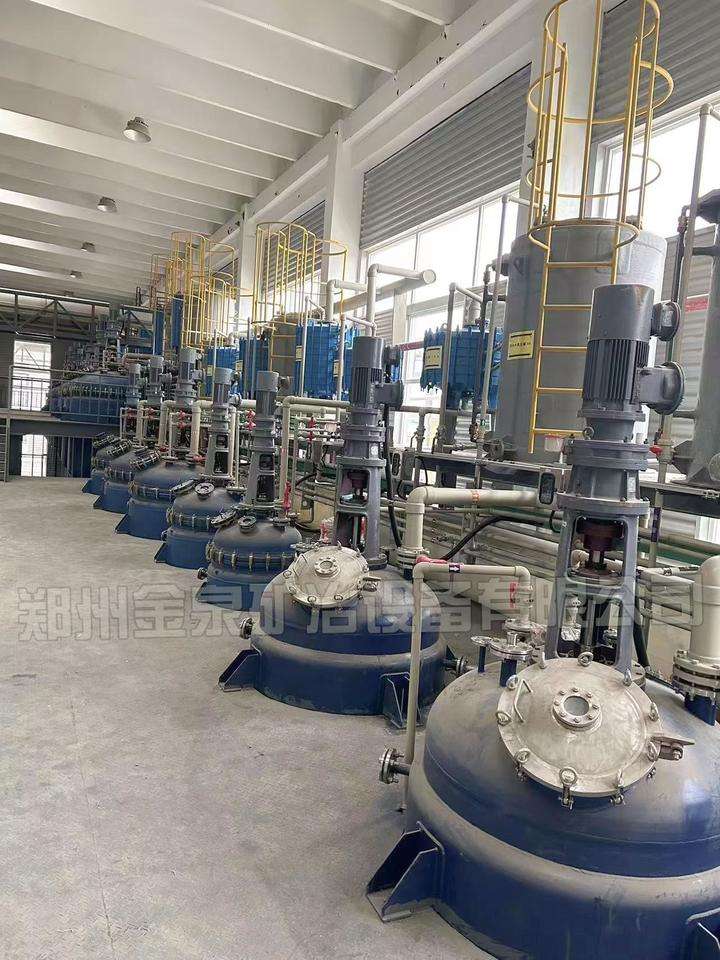
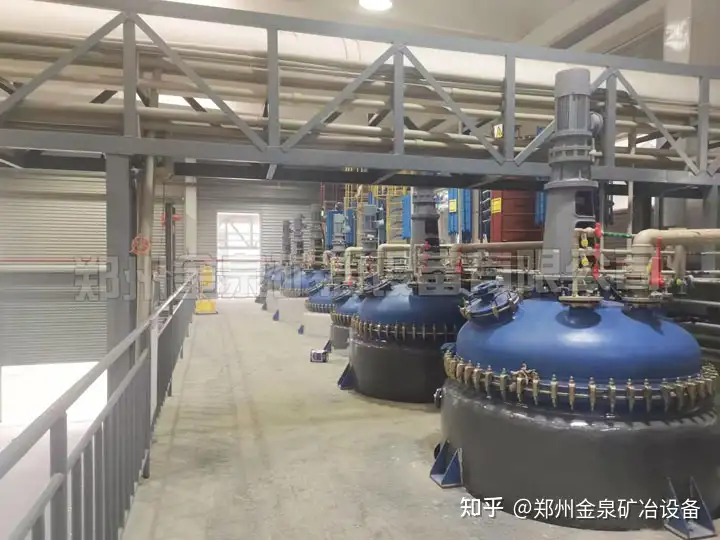
Good process results always rely on matched professional separation equipment. Zhengzhou Jinquan Mining Equipment Co., Ltd. focuses purely on mining machinery and precious metal metallurgy supporting systems. We integrate independent research, factory production, direct sales, and global after-sales support in one complete service package. We customize full cementation separation production lines and full solvent extraction workshops for all plant scales. Furthermore, we provide free onsite technical guidance, equipment debugging, and long-term operational remote support for every overseas client.
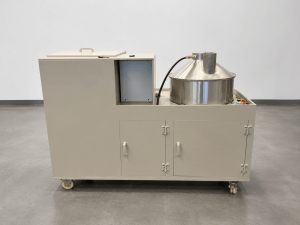
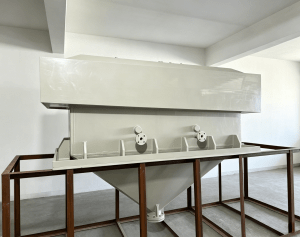
Our mainstream supporting units cover all core station needs. We supply anti-corrosion stirring reaction tanks for copper powder cementation, high-precision solid-liquid separation filters, intelligent constant-potential extraction tanks, special P204 solvent extraction devices, and automatic online real-time monitoring systems. All equipment uses thick anti-corrosion, wear-resistant alloy materials to fit harsh acidic liquid working conditions. Our machines break down rarely, run stably for years, and save power consumption daily. We export our separation systems to Southeast Asia, Africa, Central Asia, and other major mineral regions. Global smelting plant owners consistently praise our reliable quality and professional after-sales team.
5. Process Selection Summary for Plant Owners
In short, both copper powder cementation and solvent extraction separate gold, platinum, palladium, rhodium, and iridium effectively. Cementation costs less and runs simply, so it fits small-scale preliminary separation tasks perfectly. On the other hand, solvent extraction delivers higher recovery and purer output, so it suits large-scale, high-standard deep precious metal processing lines. Plant managers only need to check raw ore conditions, daily output targets, and budget limits. Then, they select the right process and match it with Jinquan professional separation equipment to maximize final economic returns easily.
Zhengzhou Jinquan Mining Equipment Co., Ltd. offers free process drawing design, equipment parameter optimization, and global door-to-door installation services. If you run a smelter, mineral processing plant, or precious metal recycling factory, contact us today for a full equipment quote and professional technical consultation.
 Call us now: